Inside the Ruins of the Eckerman Trout Rearing Station
Hidden beside the East Branch of the Tahquamenon River are the remains of an old trout rearing station. Here’s what the stone building, channels, and rushing water were once used for... and why this forgotten site mattered to Michigan fishing.
At first glance, the old stone walls near Eckerman don’t explain much.
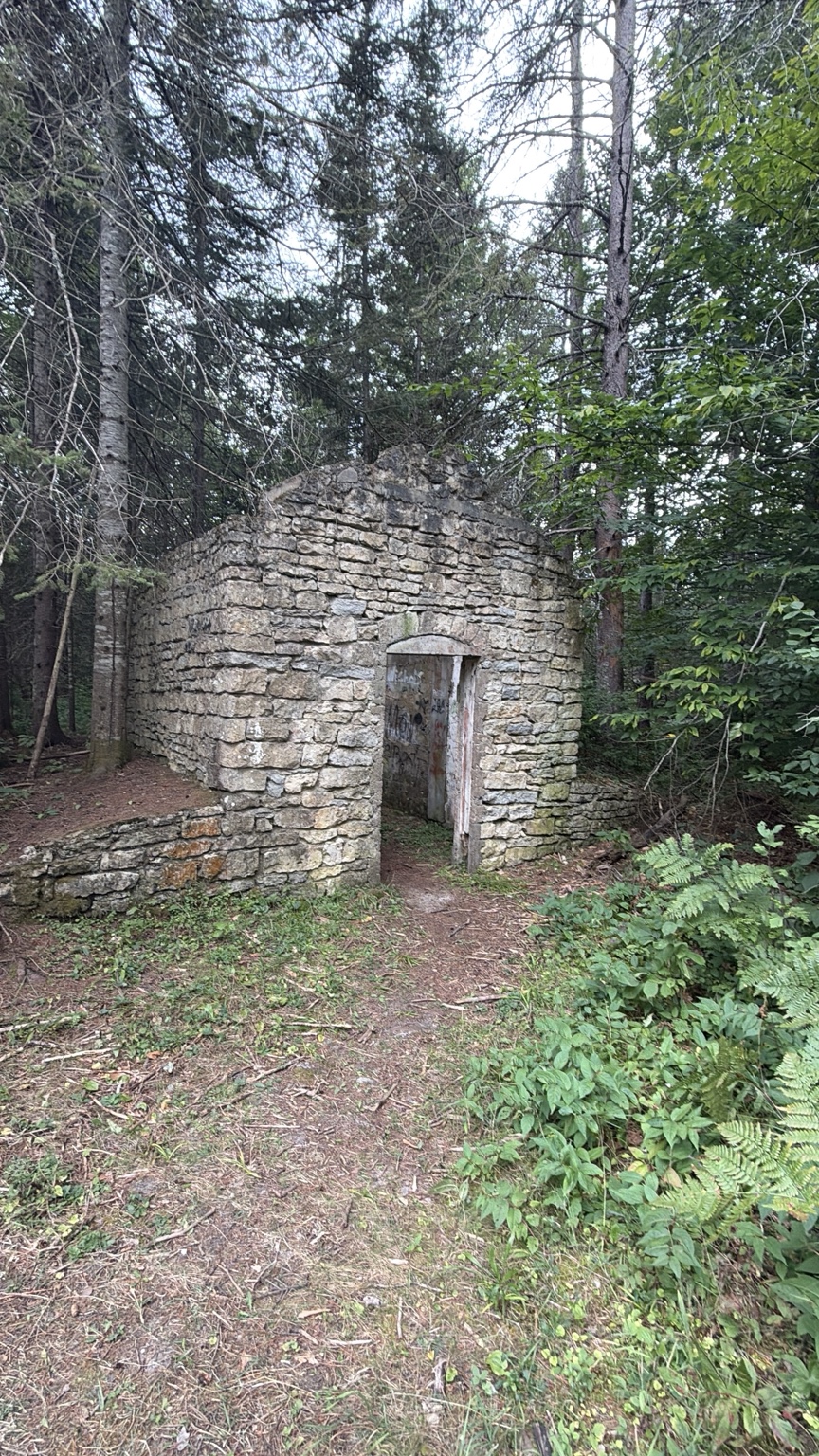
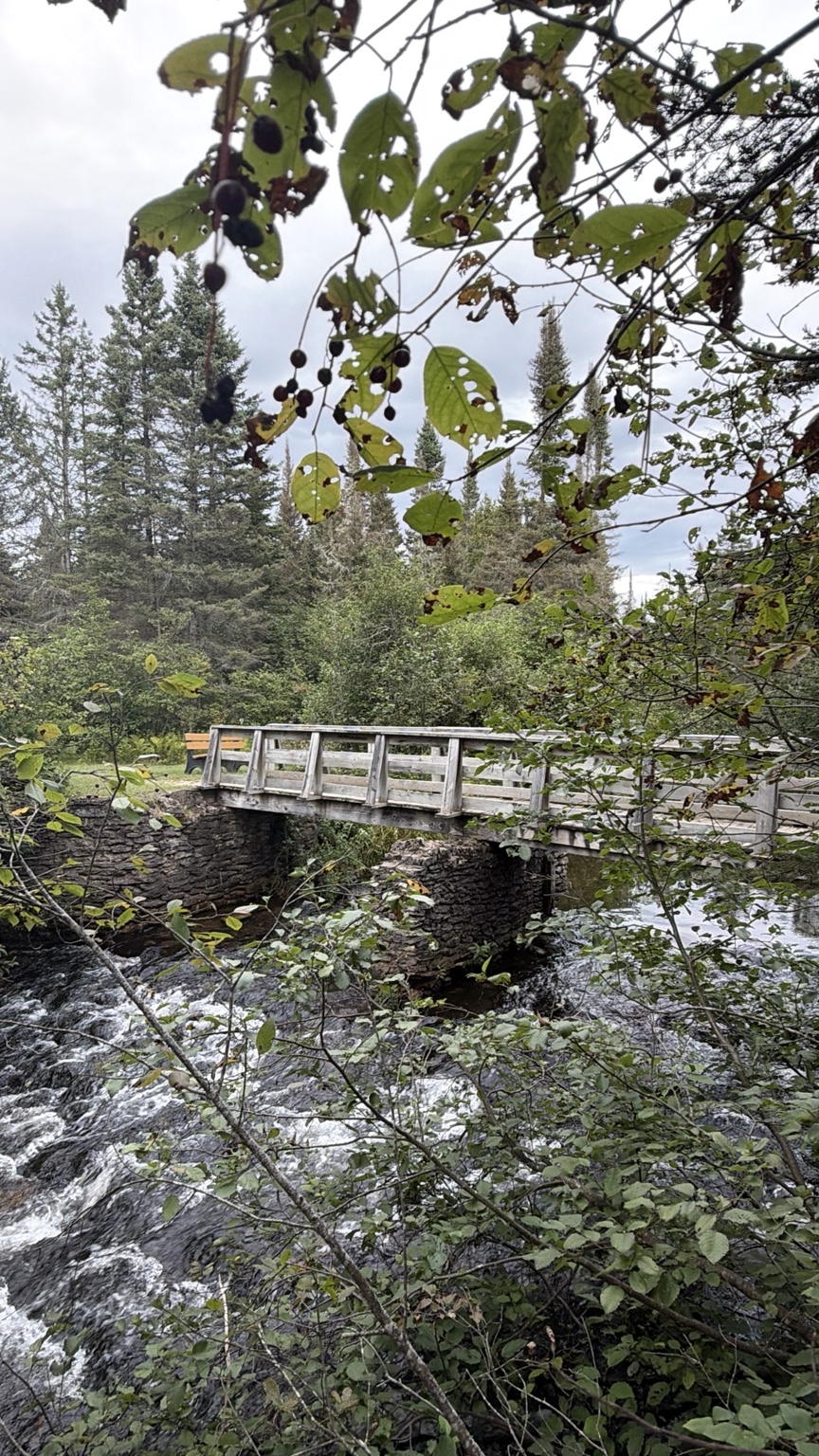
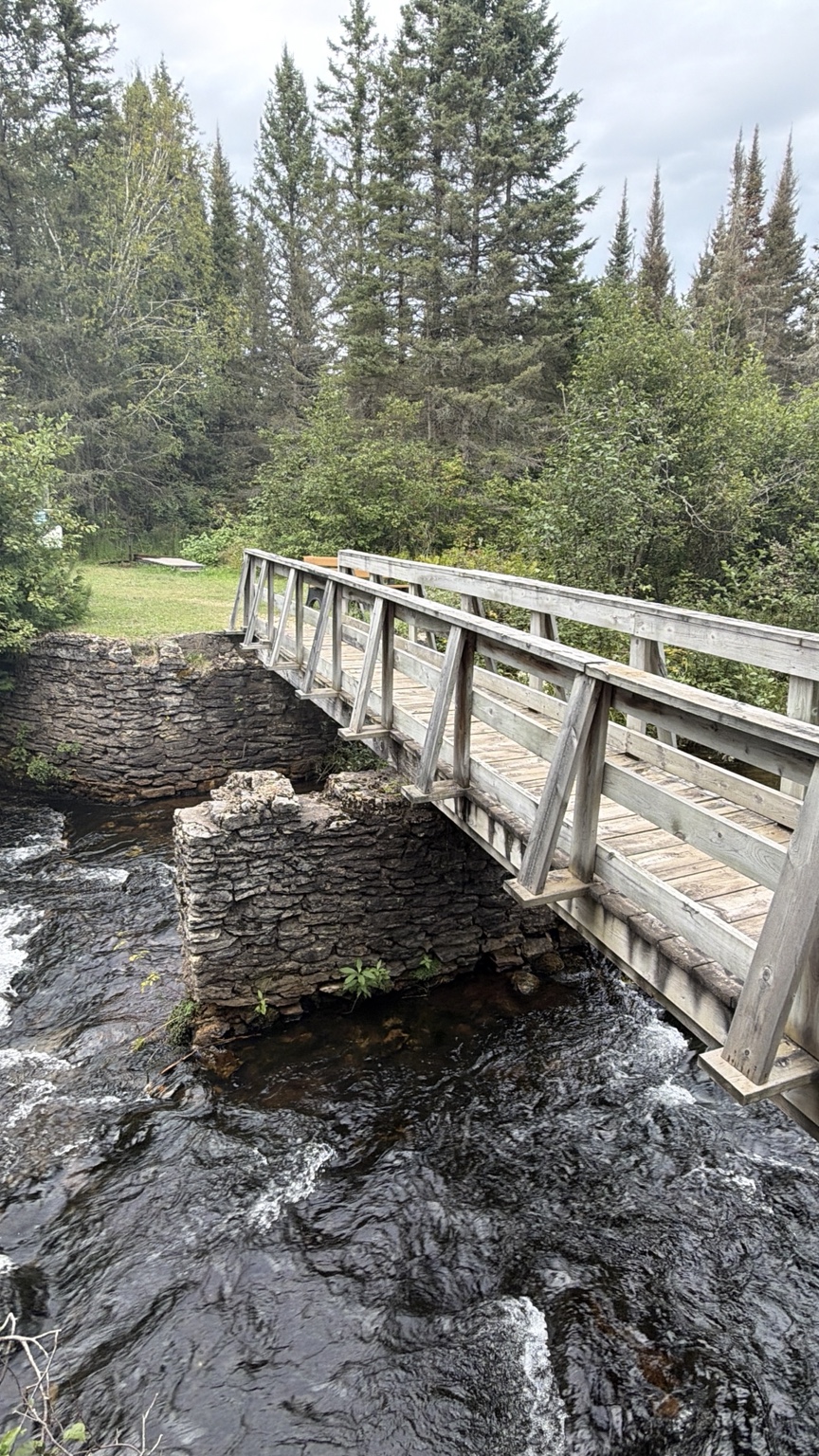
There’s rushing water, a wooden bridge, old channels disappearing into the brush, and a small roofless stone building covered in graffiti. When I stepped inside, there wasn’t much to give away its purpose. The floor was mostly gravel with some concrete here and there. The walls were built from stone and mortar, and even though the building isn’t very big, you could hear your voice echo a little inside.
It looks like the remains of something important... but unless you already know the story, it’s hard to tell what any of it was for.
Nearly a century ago, this quiet spot on the East Branch of the Tahquamenon River was part of Michigan’s growing effort to raise brook trout for stocking.
Once you understand how that operation worked, the ruins start to make a lot more sense.
Raising Trout at Eckerman
Michigan had already been raising and stocking fish for decades when the Eckerman operation came along.
By the late 1920s, the state was expanding its use of trout-rearing stations. Instead of releasing trout when they were extremely small, young fish could be transferred to outdoor stations, fed through the warmer months, and released later as larger fingerlings.
Department of Conservation records show work underway on a feeding station along the East Branch of the Tahquamenon River by the late 1920s. Historical records place the East Branch station among those established around 1929, while modern information at Eckerman generally lists its operating period as 1930 to 1958.
The station specialized in brook trout.
And for that job, water was everything.
What Actually Happened Here?
The channels, stonework, dam structure, and flowing water you see today weren’t built for appearance. They were pieces of a working fish-rearing system.
Surviving features include an artesian well, old trout-rearing channels, an old dam structure, and portions of the stone building.
Cold, well-oxygenated water is critical for brook trout. Young fish were kept in the rearing system while they grew, with workers feeding them, maintaining the water system, monitoring their condition, and eventually preparing them for distribution.
And things didn’t always go smoothly.
A fisheries research report from 1931 mentions two 7½-inch brook trout from the Eckerman station examined during hot weather. Both were heavily infested with gill lice.
It’s a tiny detail buried in an old report, but it makes the place feel much more real.
These weren’t simply ponds filled with fish and forgotten until fall. Workers had to keep large numbers of trout alive through heat, parasites, changing water conditions, and whatever other problems came along.
Standing there today with water still rushing through the site, it isn’t difficult to imagine how different the place must have felt when it was operating.
Water moving through the channels. Trout filling the rearing areas. Workers maintaining the station and caring for the fish.
Then, later in the season, those trout leaving Eckerman to be stocked in Michigan waters.
Part of a Bigger Change
Eckerman was also part of a much larger change in the way Michigan managed its rivers and fisheries.
The logging era had been hard on streams across the state. Trees were cut near riverbanks, erosion carried sediment into waterways, and log drives disturbed river habitat.
The East Branch had its own logging history, with historical fisheries records indicating log drives were taking place there by around 1890.
There’s no evidence I found saying logging damage on this particular stretch directly caused the state to build the Eckerman station. But both stories belong to the same changing period of Michigan history.
After decades of using rivers heavily for industry and transportation, Michigan was putting more effort into restoring fish populations, studying fisheries, improving habitat, and stocking lakes and streams.
Fish hatcheries and rearing stations became part of that effort.
Eckerman was one small piece of it.
The End of the Station
The Eckerman brook trout-rearing facility continued operating for decades, with modern site information listing 1958 as its final year.
What I haven’t found is the document I’d really like to see... the one explaining exactly why somebody decided Eckerman’s work was finished.
Michigan eventually moved away from relying on so many small, scattered rearing stations as fish production became concentrated in larger, more modern hatcheries. That broader change may help explain Eckerman’s closure, but without a specific record, we can’t say exactly why it shut down.
And then there’s that little stone building.
We know it’s recognized as part of the surviving station remains.
What I haven’t found is a reliable historical source telling us exactly what it was used for.
A feed house? Storage building? Spring house? Something else entirely?
For now, calling it any of those would be guessing.
Almost a century later, that little roofless building is still keeping part of its story to itself.
The Trout Are Still Here
There’s a fitting ending to all of this.
The East Branch still supports brook trout.
Michigan fisheries records indicate brook trout haven’t been stocked in the East Branch since 1976. The population is considered self-sustaining, with trout naturally reproducing in the river.
Think about that for a moment.
People once built an entire station here to help raise brook trout for stocking.
Today, decades after that operation disappeared, brook trout reproduce naturally in the river flowing past its ruins.
The site has taken on a different purpose too. There are picnic tables and benches near the water. Anglers still come to the East Branch. A short trail leads through the area and across the river.
What was once a working Department of Conservation facility is now a place where people fish, walk around, eat lunch, and explore a little piece of U.P. history.
But the old operation never completely disappeared.
The channels are still there.
The stonework is still there.
The remains of the dam are still there.
And that little roofless stone building is still standing beside the water.
Before visiting, I knew there had once been a trout-rearing operation here.
What I didn’t realize was how much of the old system could still be seen once you knew what to look for.
The rushing water and old masonry stop looking like random ruins. They become pieces of a place where people once raised brook trout as part of Michigan’s changing approach to managing its fisheries.
It’s an easy place to drive past without knowing any of that.
But once you stop, walk around, and learn what happened here... it becomes a lot harder to look at those old stones the same way again.
Sources and Further Reading
**Michigan Department of Conservation, Fourth Biennial Report**
Historical information on Michigan’s early trout fingerling program and development of a feeding station on the East Branch of the Tahquamenon River. Available through the Michigan DNR Fisheries Division historical document library.
**Michigan Fisheries Centennial Report, 1873–1973**
History and chronology of Michigan’s trout-rearing program, including the East Branch Tahquamenon station. Available through the Michigan DNR Fisheries Division library.
**Michigan Fisheries Research Report No. 156**
Contains the 1931 record of brook trout from the Eckerman station suffering heavy gill-lice infestations during hot weather. Available through the Michigan DNR Fish Library.
**Tahquamenon River Assessment**
Historical and fisheries information about the Tahquamenon River system, including logging history, trout stocking, and natural reproduction. Available through the Michigan DNR Fish Library.
**East Branch Tahquamenon River Old Hatchery, Michigan Trout Trails**
Information on the modern East Branch brook trout fishery and its naturally reproducing population. Available through Michigan DNR Trout Trails.
**One Hundred and Fifty Years of Michigan Fish Hatcheries**
Background on Michigan’s hatchery system and changing fish-rearing and stocking practices. Available through the Michigan DNR “Showcasing the DNR” archive.
**Eckerman Trout Pond, Shore to Shore Birding Trail**
Information about the present-day site and surviving features, including the artesian well, rearing channels, old dam structure, and stone-building remains. Available through the Shore to Shore Birding Trail.
**East Branch Tahquamenon River, National Wild and Scenic Rivers System**
Information about the river’s present-day cold-water habitat and brook trout fishery. Available through Rivers.gov.
More Photos
Keep Exploring
Find more waterfalls, fishing spots, hikes, and hidden places across the Upper Peninsula.